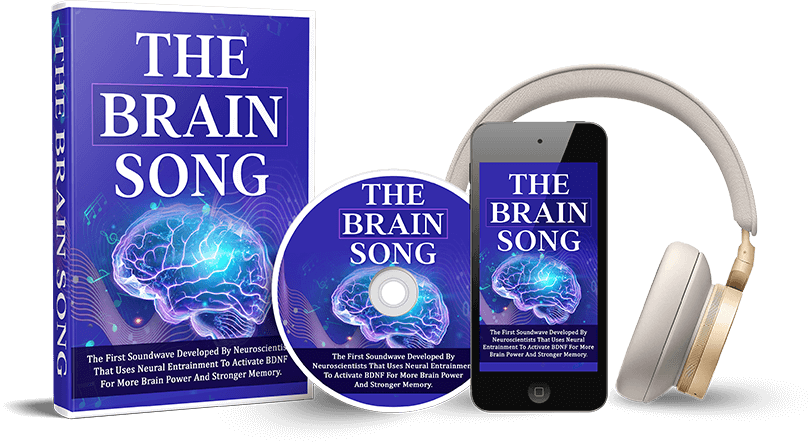
The Brain Song is a sound-based audio program often linked to focus, memory, brainwaves, and even “NASA” claims. Because of this, many people are left wondering what it actually does — and what’s simply misunderstood online.
This page offers a clear, independent breakdown of The Brain Song, how people typically use it, what scientific research does (and does not) support, and where common misconceptions come from — without hype, exaggerated promises, or sales-driven language.
The Brain Song Details
| Program Type | Sound-based brain stimulation audio |
| Format | Digital audio (headphone use recommended) |
| Session Length | ~10–15 minutes per session |
| Intended Use | Focus, memory support, mental clarity |
| Core Concept | Brainwave entrainment |
| Brainwaves Mentioned | Gamma (also Theta/Alpha in research context) |
| Scientific Term Referenced | BDNF (Brain-Derived Neurotrophic Factor) |
| Usage Frequency | Typically once daily |
| Medical Status | Not a medical treatment |
| Content Purpose | Educational & informational |
| The Author Section | John Wilson |
Key Features of The Brain Song

The Brain Song includes several core characteristics that define how the audio program commonly referred to online as the NASA Brain Song Audio Program is designed and used.. These features emphasize simplicity, consistency, and sound-based stimulation rather than supplements, apps, or physical products.
1. Audio-Only Format
The Brain Song is delivered entirely as a digital audio track. It does not require apps, subscriptions, or specialized hardware—only standard headphones and an audio playback device.
2. Short Daily Listening Sessions
Listening sessions are typically brief, often around 10–15 minutes. This short duration is intended to make regular use easier without disrupting daily routines.
3. Sound-Based Brainwave Stimulation
The program uses structured sound patterns designed to interact with natural brainwave activity. This approach is commonly discussed under the concept of brainwave entrainment in neuroscience-related literature.
4. Headphone-Optimized Experience
Headphones are generally recommended to maintain proper left-right audio separation. This stereo balance allows the sound patterns to be delivered as intended.
5. No Supplements or Physical Products
The Brain Song does not involve pills, powders, wearable devices, or external equipment. All interaction is limited to listening to the audio itself.
6. Designed for Consistent Use Over Time
Rather than promising immediate results, the program emphasizes regular listening. Consistency is presented as a key part of how users engage with the audio.
What Is The Brain Song?
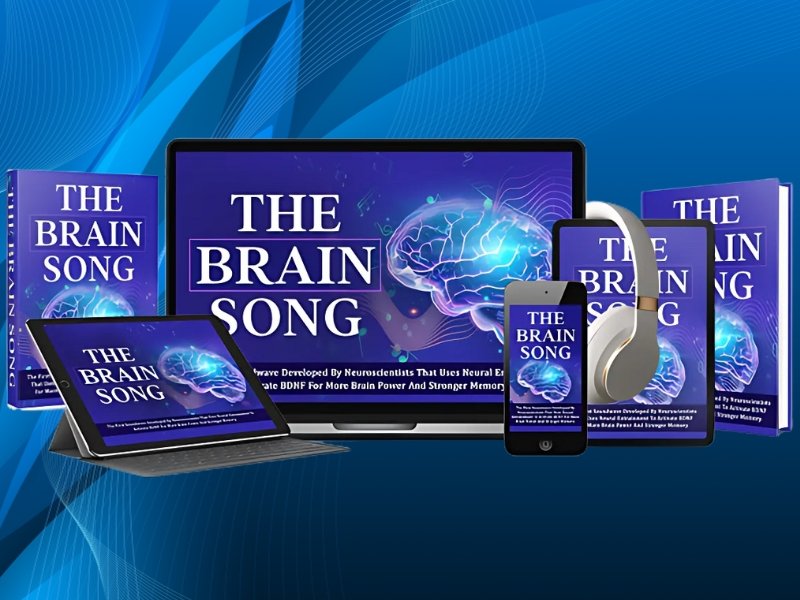
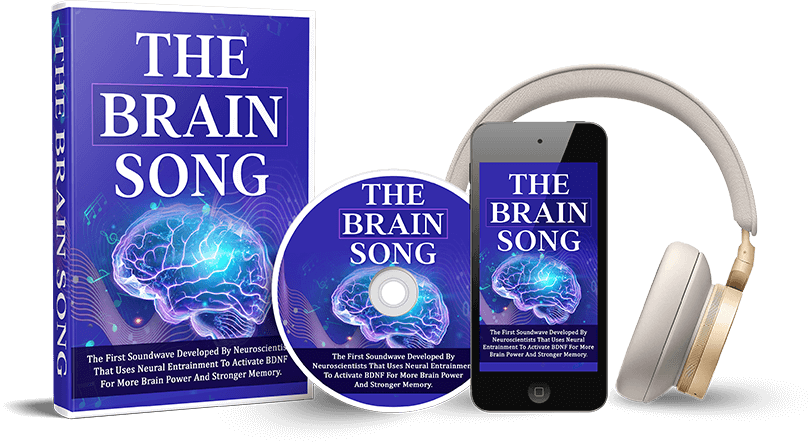
The Brain Song is a sound-based brain stimulation audio program designed to support focus, learning, and mental clarity through structured audio frequencies. It is typically used as a short daily listening session and is often discussed in relation to brainwave entrainment.
Unlike supplements, mobile apps, or physical devices, The Brain Song works entirely through digital audio. Users listen with headphones, allowing carefully balanced left-right sound patterns to interact with natural brainwave activity. The goal is not to force changes in the brain, but to gently guide brain activity toward frequency ranges commonly studied in neuroscience research.
The Brain Song is frequently mentioned alongside discussions of gamma brainwaves, which are associated with learning, memory, and cognitive performance. However, it is positioned as an educational and wellness-focused audio experience or diagnostic tool.
Online, many people search for the term “NASA Brain Song.” This phrasing usually reflects interest in neuroscience research or references to researchers with aerospace or defense backgrounds. The Brain Song itself is not an official NASA program and is not produced or endorsed by NASA.
Overall, The Brain Song is marketed as a non-invasive, audio-only wellness tool intended for personal development and cognitive exploration rather than medical use.
The Origin of The Brain Song

The Brain Song emerged from growing interest in sound-based brain stimulation and the study of how auditory frequencies may interact with natural brainwave activity. Over the past few decades, researchers in neuroscience and cognitive science have explored whether specific sound patterns could influence focus, attention, and mental clarity without the use of medication or physical devices.
Early work in this area examined brainwave entrainment, a concept suggesting that rhythmic auditory signals may encourage the brain to synchronize with certain frequency ranges. These studies laid the groundwork for a variety of audio-based cognitive programs designed for relaxation, meditation, or concentration.
The Brain Song is commonly described as part of this broader category of sound-based cognitive tools. Rather than being positioned as a medical intervention, it is typically presented as an audio experience intended for personal listening routines, often associated with short daily sessions using headphones.
Interest in programs like The Brain Song has increased alongside wider public awareness of brainwave research, mindfulness practices, and non-invasive approaches to cognitive wellness. As digital audio technology became more accessible, these concepts moved from academic discussion into consumer-accessible formats, including downloadable audio sessions.
Today, The Brain Song is referenced in online discussions as one example of how neuroscience-inspired audio concepts have been adapted for everyday use. Its origin reflects a combination of scientific curiosity, evolving sound technology, and growing demand for simple, non-pharmaceutical approaches to mental focus and clarity.
As public interest in non-invasive cognitive wellness tools grew, audio-based programs like The Brain Song became more accessible through digital formats, allowing users to explore these concepts in everyday routines. Learn more about our editorial approach on the About Us page.
Who Created The Brain Song?

The Brain Song is frequently discussed online in connection with neuroscience research and sound-based brainwave studies. In many public references, the program is associated with work attributed to a former NASA-trained neuroscientist, which is why terms such as “NASA Brain Song” or “NASA Brain Song audio” commonly appear in search results and online discussions.
According to descriptions found across websites, forums, and video platforms, the Brain Song concept draws inspiration from research into how brainwaves—particularly theta and gamma frequencies—relate to learning, focus, and cognitive performance. NASA and other research organizations have historically studied brainwave activity in high-performance environments, which has contributed to public interest in sound-based cognitive tools.
It is important to clarify that while NASA brainwave research is often mentioned in discussions about the Brain Song, this website does not claim that the Brain Song is an official NASA product or formally endorsed by NASA. References to NASA are typically contextual, relating to broader neuroscience research rather than direct product validation.
For this reason, searches such as “NASA Brain Song reviews”, “Is the NASA Brain Song legit?”, or “NASA Brain Song for memory and focus” usually lead to a mix of informational articles, videos, and user discussions rather than official institutional sources.
How The Brain Song Works
The Brain Song works by using structured audio patterns designed to interact with natural brainwave activity. Rather than relying on spoken guidance, visual exercises, or physical tools, the program focuses entirely on sound as the medium for engagement.
The audio is typically listened to during short, consistent sessions and is discussed in the context of brainwave entrainment — a concept studied in neuroscience that explores how rhythmic stimuli may influence neural activity over time.
- Uses structured auditory frequency patterns instead of spoken narration or traditional musical tracks.
- Delivers sound in a balanced stereo format to create a consistent left-right listening experience.
- Functions as a passive audio experience without requiring conscious techniques, exercises, or user interaction.
While the concept is often discussed alongside gamma brainwaves and cognitive performance, the program is positioned as an educational and wellness-oriented audio experience rather than a medical or therapeutic intervention.
Does The Brain Song Really Work?
Whether The Brain Song really works depends on how the concept is understood and what expectations are set. The program is based on sound-based brainwave entrainment, a research area that explores how rhythmic auditory patterns may interact with natural brainwave activity over time.
The Brain Song does not claim to force changes in the brain or produce guaranteed results. Instead, it is designed as a passive listening experience that may help support states commonly associated with focus, learning, or mental clarity. This is why questions such as “does the brain song work” or “does the brain song really work” are common among people researching the topic.
From a scientific perspective, brainwave entrainment has been studied in controlled environments, particularly in relation to attention, relaxation, and cognitive states. Some studies suggest that repetitive auditory stimulation may encourage the brain to align with certain frequency ranges, while other research emphasizes that individual responses can vary widely.
As an educational and wellness-focused audio program, The Brain Song is not positioned as a medical treatment or therapeutic intervention. Its effectiveness may depend on factors such as consistency of use, listening environment, and individual neurological differences.
Because of this, experiences reported by users range from subtle changes in focus or mental calm to no noticeable effects at all. The Brain Song is best understood as a non-invasive audio tool intended for personal exploration rather than a guaranteed cognitive solution.
Is The Brain Song Legit or a Scam?

When researching sound-based audio programs, people often ask questions such as “is the brain song legit,” “is the brain song legitimate,” or “is the brain song a scam.” Below is a clear, structured breakdown to address those concerns.
1. How The Brain Song Is Positioned
The Brain Song is presented as an educational and wellness-focused audio program. It does not claim to diagnose, treat, or cure medical conditions, and it does not position itself as a clinical or therapeutic solution.
2. Claims and Expectations
Unlike many products labeled as scams, The Brain Song does not promise guaranteed results, instant cognitive improvement, or medical-grade benefits. Its focus is on sound-based listening experiences grounded in general neuroscience concepts.
3. Use of Neuroscience Concepts
The program references brainwave entrainment, a topic that has been studied in neuroscience research related to attention, relaxation, and cognitive states. These references are informational rather than claims of proven medical effectiveness.
4. NASA-Related References Explained
Search terms such as “NASA Brain Song” often create confusion. The Brain Song is not an official NASA product and is not endorsed by any government or medical institution. Mentions of NASA typically relate to broader research contexts rather than direct product involvement. Searches for “NASA brain song reviews” often lead to a mix of informational articles, videos, and personal opinions rather than peer-reviewed scientific evaluations.
5. Why Scam Concerns Arise
Questions about legitimacy usually stem from online marketing language, third-party videos, or exaggerated claims found outside the original program descriptions. These sources can blur the line between curiosity-driven interest and unrealistic expectations.
6. Overall Legitimacy Assessment
Whether The Brain Song is considered “legit” depends on individual expectations. As a non-invasive, audio-only wellness tool, it may appeal to those interested in exploring sound-based cognitive concepts. However, it should not be viewed as a guaranteed or medically proven solution.
7. Final Summary
The Brain Song is neither a guaranteed cognitive breakthrough nor a deceptive scam. It exists within the category of educational and wellness-oriented audio programs, where experiences and outcomes can vary from person to person.
Nasa Brain Song – Editorial Review
Summary
From an editorial perspective, The Brain Song is best understood as a sound-based wellness audio experience rather than a clinically validated cognitive intervention.
Its primary strengths include simplicity, ease of use, and a non-invasive, audio-only format. At the same time, it relies on general neuroscience concepts without direct product-specific scientific validation, meaning individual experiences may vary.
Overall, The Brain Song may be of interest to those exploring neuroscience-inspired audio tools for focus or mental clarity, but it should not be viewed as a guaranteed solution or a replacement for evidence-based methods.
What Is the NASA Brain Song? (8-Second & 7-Minute Versions Explained)
This section explains the concept often referred to as the “NASA brain song explained”, including what the term means and what it does not represent.
The term “NASA Brain Song” frequently appears in online searches, leading many people to wonder whether the Brain Song is connected to official space-agency research or specific audio techniques. Below is a clear explanation of what this phrase means and why it is commonly used.
1. What People Mean by “NASA Brain Song”
When people search for “what is the NASA brain song,” they are usually referring to the Brain Song in relation to neuroscience research rather than an official product. The phrase reflects public interest in advanced brainwave studies, particularly those associated with high-performance or aerospace-related research environments.
2. Is the NASA Brain Song an Official NASA Program?
No. The Brain Song is not an official product or program of NASA, and it is not produced, endorsed, or distributed by any government institution. References to NASA are contextual and should not be interpreted as formal validation.
3. Why NASA Is Mentioned in Discussions
NASA and other research organizations have historically studied brainwave activity in areas such as focus, stress management, and performance under demanding conditions. These studies contribute to public curiosity about sound-based cognitive tools, which is why NASA-related terms often appear alongside the Brain Song in online discussions.
4. What Is the NASA 8-Second Brain Song?
The phrase “NASA 8-second brain song” is commonly used online to describe very short audio segments that are believed to influence mental states through rapid sound exposure. However, there is no verified scientific evidence that a specific 8-second audio track is officially recognized or validated by NASA.
5. What Is the 7-Minute NASA Brain Song?
Similarly, the “7-minute NASA brain song” refers to a longer listening duration mentioned in forums, videos, or third-party explanations. These time references are typically user-described formats rather than standardized or institutionally approved protocols.
6. Why These Time-Based Versions Exist
Different time lengths are often discussed because people experiment with audio-based brainwave stimulation in various session formats. These variations reflect personal usage patterns rather than formal research conclusions.
7. Key Takeaway
The term “NASA Brain Song” should be understood as a search-driven label, not an official scientific classification. It represents curiosity about neuroscience-inspired audio programs rather than confirmation of institutional backing.
There is no scientific evidence showing that the NASA brain song is effective as a medical or cognitive treatment.
Is The Brain Song Backed by Scientific Evidence?
The question of whether The Brain Song is backed by scientific evidence is an important one, especially given the frequent references to neuroscience, brainwaves, and cognitive performance in online discussions. To answer this clearly, it is necessary to distinguish between established scientific research on brainwaves and how those concepts are applied in wellness-oriented audio programs.
When people search for “NASA brain song research”, they are typically looking for evidence connecting sound-based audio programs to neuroscience studies, not official NASA trials.
Research in neuroscience has extensively studied brainwave activity using tools such as electroencephalography (EEG). These studies help researchers understand how different brainwave patterns are associated with mental states like sleep, relaxation, focus, and alertness. Separately, brainwave entrainment has been explored as a phenomenon where rhythmic auditory or visual stimuli may influence neural activity under certain conditions.
However, there is currently no direct clinical evidence demonstrating that The Brain Song itself produces specific, measurable cognitive or neurological outcomes. The program has not been validated through large-scale, peer-reviewed clinical trials, and it is not recognized as a medical or therapeutic intervention.
Most scientific studies related to brainwave entrainment focus on controlled laboratory settings, often involving small sample sizes and varying methodologies. Results in this area are mixed, with some research suggesting potential influences on relaxation or attention states, while other studies emphasize variability in individual response and the need for further investigation.
As a result, references to science in discussions about The Brain Song should be understood as contextual rather than confirmatory. The program draws inspiration from broader neuroscience concepts, but it does not constitute evidence-based treatment or scientifically proven cognitive enhancement.
From an evidence perspective, The Brain Song is best viewed as a wellness-oriented audio experience informed by general research themes rather than as a product supported by direct scientific validation. Individuals exploring it are encouraged to interpret claims cautiously and rely on peer-reviewed research when evaluating scientific credibility.
Discussions around NASA brain song science usually reference general brainwave and auditory research rather than product-specific scientific validation.
Bonus Section: Additional Educational Resources Related to Focus & Memory
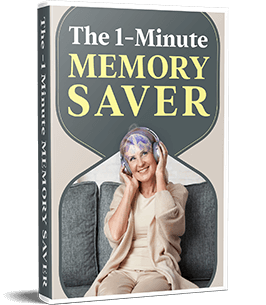
Bonus Resource 1: A Brief Memory-Focused Routine
This short routine outlines a simple, time-efficient approach that some people use when trying to retain new information. The method focuses on attention, repetition, and mental organization—factors commonly discussed in learning and memory research.
The routine is designed to be flexible and can be practiced in everyday settings such as studying, reading, or reviewing information. It does not claim to produce instant or permanent memory improvement and should be viewed as a general learning-support concept rather than a scientific protocol.
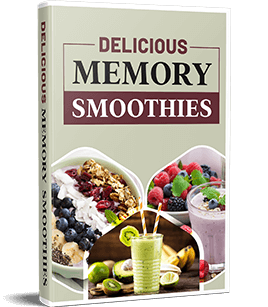
Bonus Resource 2: Nutrition & Brain Health Overview
This resource provides an overview of commonly discussed nutrition topics related to brain health, including ingredients often associated with energy, focus, and overall well-being. It includes simple recipe-style ideas using widely available foods.
The information is intended to highlight how general nutrition is discussed in relation to cognitive wellness. It does not claim to enhance brain performance, improve memory, or interact directly with any audio-based program.
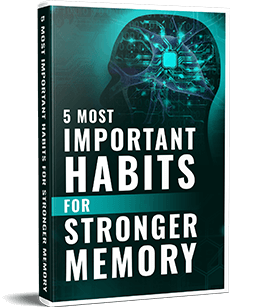
Bonus Resource 3: Everyday Habits Commonly Linked to Cognitive Wellness
This visual summary outlines several daily habits that are frequently mentioned in research and wellness discussions about long-term cognitive health. These habits focus on lifestyle consistency, mental engagement, and general well-being.
The content is designed as a reference tool rather than a performance guide. It does not guarantee memory improvement or cognitive enhancement and should not be interpreted as medical or therapeutic advice
The Brain Song for Memory: What It’s Used For
The Brain Song for memory is commonly discussed in relation to how sound-based brain stimulation may support mental states associated with learning, information retention, and cognitive clarity. Rather than being designed as a memory-enhancing treatment, it is positioned as an audio-based wellness tool that some people use as part of focus or study routines. The phrase “NASA brain song for memory” is commonly searched by people looking to understand whether sound-based audio programs linked to neuroscience can support learning or recall.
Below is a clear explanation of what this use case means in practice.
1. Memory Support Through Brainwave Association
Discussions around The Brain Song for memory often focus on gamma brainwaves, which are associated in neuroscience research with learning, attention, and information processing. The audio program is designed to interact with natural brainwave activity, potentially encouraging states linked to concentration rather than directly improving memory performance.
2. Use During Learning or Study Sessions
Some users choose to listen to The Brain Song before or during activities that require mental focus, such as reading, studying, or problem-solving. In this context, the goal is not to store memories automatically, but to create a mental environment that may feel more conducive to learning.
3. Passive and Non-Invasive Approach
Unlike cognitive training exercises or memorization techniques, The Brain Song does not require active participation. The listening process is passive, which is why it is sometimes preferred by individuals looking for a low-effort, audio-only option to accompany mental tasks.
4. No Claims of Guaranteed Memory Improvement
It is important to clarify that The Brain Song does not claim to improve memory, increase intelligence, or produce measurable cognitive gains. References to memory are typically framed around support for focus and mental clarity rather than proven enhancement outcomes.
5. Why Memory-Related Searches Are Common
Searches such as “the brain song for memory” or “NASA brain song for memory” are common because people often associate brainwave research with learning and recall. These searches reflect curiosity rather than confirmation of clinically established memory benefits.
6. Individual Experiences May Vary
As with many wellness-oriented audio programs, experiences differ from person to person. Some individuals report feeling more mentally organized or attentive, while others notice little to no change. Factors such as consistency of use, listening environment, and individual neurological differences can influence outcomes.
7. Key Takeaway
The Brain Song for memory is best understood as a supportive listening tool, not a memory treatment. It may be used alongside learning or focus-based activities, but it should not be viewed as a replacement for evidence-based study methods or professional cognitive care.
Reported Benefits of The Brain Song

Reported benefits of The Brain Song are primarily based on user discussions, personal experiences, and interpretations of how sound-based brain stimulation may influence mental states. These benefits are typically described in subjective terms and are not presented as guaranteed or clinically proven outcomes.
Below are the most commonly reported themes associated with The Brain Song.
1. Improved Sense of Focus
Some users report feeling more focused or mentally settled after listening to The Brain Song. This is often described as a reduction in mental distractions rather than a dramatic increase in concentration.
2. Support for Mental Clarity
A frequently mentioned experience is a sense of mental clarity or calm awareness. Listeners sometimes describe feeling less mentally cluttered, which may make it easier to engage in tasks that require attention.
3. Relaxed but Alert Mental State
The Brain Song is often associated with a state that feels both relaxed and attentive. This balance is commonly discussed in relation to brainwave entrainment concepts, where certain frequency ranges are linked to calm focus rather than drowsiness.
4. Ease of Use and Low Effort
Because The Brain Song is a passive, audio-only experience, some people view its simplicity as a benefit. There are no exercises, instructions, or learning curves, which can make it easier to incorporate into daily routines.
5. Consistency and Routine Support
Users who listen regularly sometimes report that the short, structured sessions help establish a consistent mental routine. This consistency may contribute to perceived benefits over time rather than immediate effects.
6. Non-Invasive and Drug-Free Approach
Another commonly cited benefit is that The Brain Song does not involve supplements, medications, or physical devices. For individuals interested in non-invasive wellness tools, this aspect is often viewed positively.
7. Subjective and Individual Experiences
It is important to note that not all users report noticeable changes. Experiences vary widely, and some individuals report little to no effect. Factors such as expectations, listening environment, frequency of use, and individual neurological differences can all influence perceived outcomes.
8. Key Perspective
The reported benefits of The Brain Song should be understood as personal observations rather than proven results. The program is positioned as a wellness-oriented audio experience, and any perceived benefits are subjective rather than guaranteed.
Brainwaves Explained (Delta, Theta, Alpha, Beta & Gamma)
To understand how sound-based audio programs like The Brain Song are discussed in relation to focus and mental clarity, it helps to first understand brainwaves. Brainwaves are patterns of electrical activity in the brain that occur at different frequencies and are commonly studied in neuroscience research. Medical organizations such as the Cleveland Clinic explain brainwaves as a way scientists categorize general brain activity patterns rather than as indicators of guaranteed mental outcomes.
These frequency ranges are associated with different mental states, although it is important to note that brainwaves describe patterns of activity, not fixed outcomes or guarantees.
What Are Brainwaves?
Brainwaves are measured using electroencephalography (EEG) and are categorized based on their frequency speed, measured in hertz (Hz). At any given time, the brain produces a combination of different brainwave types rather than operating in a single state.
Researchers use brainwave categories to help describe general mental conditions, such as sleep, relaxation, focus, or alertness.
Delta Brainwaves (Deep Sleep and Restoration)
Delta brainwaves are the slowest brainwave frequencies and are most commonly associated with deep, dreamless sleep. They are linked to physical restoration and recovery processes that occur during rest.
In discussions related to The Brain Song, delta waves are typically mentioned for context rather than as a primary focus, since the program is not designed to induce sleep.
Theta Brainwaves (Relaxation and Early Learning States)
Theta brainwaves are often associated with light sleep, deep relaxation, daydreaming, and early stages of learning. This brainwave range is sometimes discussed in relation to creativity and memory formation, particularly during relaxed mental states.
Some sound-based audio programs reference theta activity when discussing calm focus or meditative listening experiences.
Alpha Brainwaves (Calm Awareness and Focused Relaxation)
Alpha brainwaves occur during calm but alert states, such as when a person is relaxed yet mentally present. This range is often associated with stress reduction, mindfulness, and smooth transitions between rest and attention.
Alpha states are commonly referenced in wellness-oriented audio programs because they represent a balance between relaxation and awareness.
Beta Brainwaves (Active Thinking and Concentration)
Beta brainwaves are linked to active thinking, problem-solving, and decision-making. They dominate during normal waking consciousness, especially when engaging in tasks that require attention and mental effort.
Excessive beta activity is sometimes discussed in relation to mental stress or overthinking, although this varies between individuals.
What Are Gamma Brainwaves?
Gamma brainwaves are the fastest of the commonly discussed brainwave frequencies. They are often associated in research with higher-level cognitive functions such as information processing, learning, and memory integration.
In discussions about The Brain Song, gamma brainwaves are frequently mentioned because of their connection to mental clarity and focus. However, it is important to emphasize that gamma activity naturally occurs in the brain and is not something that can be artificially “forced” through audio alone.
The Science Behind Brainwave Entrainment
Brainwave entrainment is a concept explored in neuroscience that examines how rhythmic external stimuli—such as sound or light—may influence brainwave patterns over time. The idea is that repeated exposure to certain rhythms may encourage the brain to synchronize with those frequencies.
Some studies suggest that auditory stimulation can influence relaxation or attention states, while other research highlights significant individual variation in response. Brainwave entrainment remains an area of ongoing research rather than a universally proven mechanism.
How This Relates to The Brain Song
The Brain Song is discussed within this scientific context as a sound-based listening experience designed to interact with natural brainwave activity. It does not claim to control or alter brain function directly. Instead, it is positioned as a passive audio program that may support certain mental states depending on individual response and usage consistency.
Key Perspective
Brainwaves provide a framework for understanding mental states, not a guarantee of outcomes. References to delta, theta, alpha, beta, and gamma brainwaves in relation to The Brain Song are educational in nature and should be understood as part of a broader neuroscience discussion rather than definitive evidence of effectiveness.
What Is BDNF and Why Is It Mentioned in Brain Song Discussions?
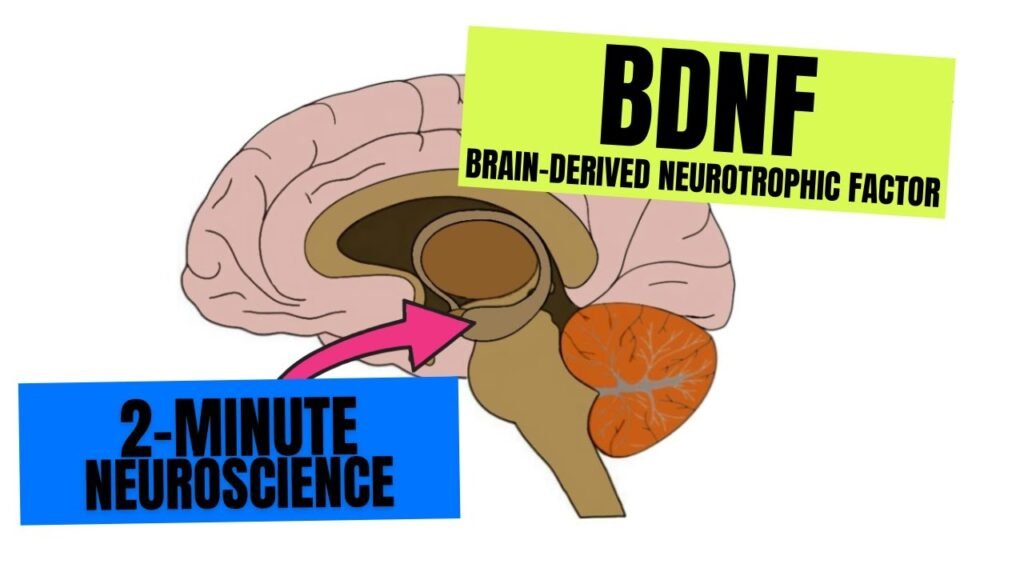
BDNF, or Brain-Derived Neurotrophic Factor, is a protein that plays an important role in brain health. In neuroscience research, BDNF is commonly associated with processes such as neuron growth, synaptic plasticity, and learning-related brain function.
In discussions about The Brain Song, BDNF is sometimes mentioned because of its connection to learning, memory, and neural adaptability. However, it is important to clarify how this connection is framed and what it does—and does not—mean.
1. What Is BDNF?
BDNF is a naturally occurring protein in the brain that supports the survival and growth of neurons. It is involved in how brain cells communicate and adapt over time, which is why it is frequently referenced in studies related to learning, memory, and cognitive development.
2. Why BDNF Appears in Brain Song Discussions
Mentions of BDNF in relation to The Brain Song are typically theoretical or contextual, not clinical claims. Because brainwave activity and learning states are sometimes discussed together in neuroscience research, BDNF is occasionally referenced as part of the broader conversation around brain adaptability.
3. What The Brain Song Does Not Claim
The Brain Song does not claim to increase BDNF levels, stimulate protein production, or cause biological changes in the brain. Any references to BDNF should be understood as background information rather than evidence of direct physiological effects.
4. Research Context Matters
Scientific studies that examine BDNF usually involve controlled conditions such as physical exercise, learning tasks, or medical research environments. Audio-based wellness programs like The Brain Song are not part of clinical BDNF research and should not be interpreted as substitutes for evidence-based interventions.
5. Why This Clarification Is Important
BDNF is sometimes mentioned online in ways that imply guaranteed brain enhancement. This can lead to unrealistic expectations. Understanding the distinction between scientific context and product claims helps readers evaluate information more critically.
6. Key Takeaway
BDNF is a well-studied component of brain biology, but its mention in Brain Song discussions is informational rather than experimental. The Brain Song should be viewed as an educational, sound-based listening experience—not a method for altering brain chemistry.
References to BDNF in relation to The Brain Song are provided for general neuroscience context only. The Brain Song does not claim to influence BDNF levels or cause biological changes in the brain.
How People Typically Use The Brain Song

The Brain Song is generally used as a short, audio-only listening experience rather than an active cognitive training program. Most people incorporate it into existing daily routines instead of treating it as a separate or intensive practice.
Listening sessions are usually brief, often around 10–15 minutes, with an emphasis on regular use rather than extended duration. Headphones are commonly recommended to support proper left-right audio balance, and listening typically takes place in a quiet setting where distractions are minimal.
The listening process itself is passive. The Brain Song does not require concentration techniques, guided visualization, or active participation. Users often listen while sitting comfortably, resting, or during quiet focus periods without engaging in additional tasks or exercises.
Some individuals choose to listen before activities that require mental focus, such as studying, reading, or problem-solving. In these cases, the audio is used as a preparatory element rather than something played continuously throughout the task.
Rather than replacing established habits, The Brain Song is often added to routines like morning preparation, evening wind-down, or scheduled focus time. This flexibility allows users to adapt usage to personal preferences, schedules, and comfort levels.
There is no single prescribed method for using The Brain Song. Listening habits vary from person to person, and experiences may differ based on factors such as consistency, environment, and individual expectations. Overall, how people typically use The Brain Song reflects its positioning as a supportive, wellness-oriented audio experience rather than a structured or performance-driven system.
How Long Does It Take To Notice Effects?
How long it takes to notice effects from The Brain Song can vary significantly from person to person. Because the program is positioned as a sound-based wellness audio experience rather than a medical or performance tool, there is no defined timeline for results and no guaranteed outcomes.
Some individuals report noticing subtle changes—such as a greater sense of calm, improved focus, or mental clarity—after a few listening sessions. Others may take longer, especially if they are approaching the experience with neutral expectations or using it inconsistently. It is also common for some people to report little to no noticeable effect.
Discussions around timing often emphasize consistency over immediacy. The Brain Song is typically used in short daily sessions, and any perceived effects are more often associated with regular use rather than one-time listening.
It is important to distinguish between subjective experiences and measurable changes. Feeling more focused or mentally settled does not necessarily indicate a direct neurological shift, and such experiences can be influenced by factors like expectation, routine, and overall mental state.
Because of these variables, The Brain Song is best approached as a personal listening experience rather than a tool with a fixed timeline. Individuals who choose to explore it are generally encouraged to evaluate their experience over time and adjust their expectations accordingly.
Pros and Cons of the Nasa Brain Song
- Audio-only and non-invasive
The Brain Song does not involve supplements, medications, or physical devices. For people interested in non-invasive wellness tools, this is often viewed as a positive aspect. - Simple and low-effort to use
Listening requires no training, techniques, or active participation. This simplicity makes it easy to incorporate into daily routines without added complexity. - Short session length
Typical listening sessions are brief, often around 10–15 minutes, which can make regular use more manageable for busy schedules. - No dependency on apps or screens
The Brain Song works through audio playback alone, allowing users to listen without prolonged screen exposure or interactive apps. - Educational and exploratory positioning
The program is generally framed as a wellness or educational audio experience rather than a medical or therapeutic product, which helps set realistic expectations. - Appeals to interest in neuroscience concepts
For individuals curious about brainwaves, sound-based stimulation, or cognitive wellness topics, The Brain Song may align with their interests.
- Lack of direct scientific validation
There is no clinical or peer-reviewed evidence demonstrating specific, measurable outcomes directly attributable to The Brain Song itself. - No guaranteed results
Experiences vary widely. Some users report subtle effects, while others notice little to no change, even with consistent use. - Potential for misunderstanding due to “NASA” references
The term “NASA Brain Song” can create confusion. The Brain Song is not an official NASA product or endorsed by any government or medical institution. - May not meet expectations for clinical improvement
Individuals seeking proven treatments for memory, focus, or cognitive conditions may find the program does not align with their needs. - Effectiveness depends on individual factors
Listening environment, consistency, personal expectations, and neurological differences can all influence perceived outcomes. - Not a replacement for evidence-based methods
The Brain Song should not be viewed as a substitute for professional healthcare advice, structured learning methods, or clinically supported interventions.
Possible Limitations & Considerations

While The Brain Song is often discussed as a simple, sound-based wellness tool, there are several limitations and considerations that are important to understand before forming expectations or incorporating it into regular use.
One key consideration is the lack of direct scientific validation specific to The Brain Song itself. Although the concepts of brainwaves and auditory stimulation are widely studied in neuroscience, this does not mean that all audio programs using these ideas produce consistent or measurable results. The Brain Song draws inspiration from general research themes rather than from product-specific clinical studies.
Another limitation involves individual variability. People respond differently to sound-based experiences due to factors such as neurological differences, listening environment, attention levels, and personal expectations. As a result, experiences can range from subtle changes in focus or mental calm to no noticeable effect at all.
Expectations also play an important role. The Brain Song is not designed to deliver immediate or dramatic outcomes. Approaching it with unrealistic expectations—such as guaranteed memory improvement or cognitive enhancement—can lead to disappointment. Understanding its role as a supportive audio experience rather than a solution is essential.
It is also worth considering how the Brain Song fits alongside other methods. It should not replace evidence-based learning strategies, professional healthcare advice, or structured cognitive training. Instead, it may be viewed as an optional addition for those interested in exploring sound-based wellness approaches.
Finally, clarity around marketing language is important. Online references, especially those involving terms like “NASA Brain Song,” can sometimes blur the line between curiosity-driven discussion and implied authority. Being aware of this context helps users interpret information more critically and avoid misunderstandings.
The Brain Song is best approached as an educational and wellness-oriented audio experience. It is not a replacement for medical treatment, professional advice, or evidence-based cognitive interventions.
Who Might Be Interested In The Brain Song?
The Brain Song may appeal to individuals who are curious about sound-based wellness approaches and prefer low-effort, non-invasive tools. It is generally explored by people seeking to better understand how audio experiences relate to focus, relaxation, or mental clarity rather than those looking for medical or performance-driven solutions.
People interested in neuroscience concepts—such as brainwaves, auditory stimulation, or cognitive states—may find The Brain Song relevant as an educational listening experience. It is often approached by readers who enjoy learning about how sound and rhythm are discussed in relation to mental states, even when outcomes are not guaranteed.
Those who prefer simple routines may also be interested. The Brain Song does not require exercises, instructions, or screen interaction, which can make it appealing to individuals who want a short, audio-only experience that can be added to an existing routine without significant time commitment.
Some people explore The Brain Song as a supportive companion to quiet activities such as reading, studying, or reflective time. In these cases, it is used as a background listening experience rather than a primary method for improving cognition.
Finally, individuals who value wellness tools without supplements or devices may be drawn to The Brain Song. Because it relies solely on audio, it may appeal to those who prefer non-pharmaceutical and non-physical approaches to personal exploration and mental wellness.
Who Should Avoid or Be Cautious with The Brain Song?

While The Brain Song is generally discussed as a non-invasive, audio-based wellness experience, it may not be suitable for everyone. The following groups may wish to approach it with caution or seek professional guidance before use.
1. Individuals Seeking Medical Treatment or Diagnosis
The Brain Song is not designed to diagnose, treat, or cure medical or mental health conditions. People looking for clinical solutions or therapeutic interventions should rely on qualified healthcare professionals rather than sound-based wellness tools.
2. Those with Neurological or Sensory Sensitivities
Individuals who are sensitive to sound, have auditory processing challenges, or experience discomfort from repetitive audio patterns may find the listening experience unpleasant or unsuitable.
3. People Expecting Guaranteed or Immediate Results
Those seeking fast, measurable improvements in memory, focus, or cognitive performance may be disappointed. The Brain Song does not offer guaranteed outcomes and is not intended to produce immediate effects.
4. Individuals Influenced by Marketing Claims
People who encounter the Brain Song through exaggerated online claims—especially those implying official NASA endorsement or advanced neurological enhancement—should exercise caution and verify information carefully.
5. Children or Minors Without Supervision
Audio-based wellness programs are generally designed for adult use. Children or minors should not use The Brain Song without appropriate supervision and guidance.
6. Those Who Prefer Evidence-Based Cognitive Interventions
Individuals who prioritize clinically validated methods, structured cognitive training, or professional therapy may find that The Brain Song does not align with their expectations or needs.
7. Anyone Experiencing Discomfort While Listening
If listening to The Brain Song causes discomfort, irritation, or unwanted effects, discontinuing use is recommended. Personal comfort should always take priority over continued use.
Common Misconceptions About The Brain Song
The meaning of the NASA brain song is frequently misunderstood, as the phrase reflects public curiosity about neuroscience rather than an official scientific classification.
Because The Brain Song is often discussed online alongside neuroscience concepts, marketing claims, and search terms such as “NASA Brain Song,” several misconceptions commonly arise. Clarifying these misunderstandings helps set realistic expectations and allows readers to evaluate the topic more accurately.
1. The Brain Song Is an Official NASA Program
One common misconception is that The Brain Song was created, endorsed, or released by NASA. In reality, it is not an official NASA product and has no formal affiliation with any government or space agency. References to NASA are typically contextual and relate to broader neuroscience discussions rather than institutional validation.
2. The Brain Song Can Reprogram the Brain
Some claims suggest that listening to The Brain Song can permanently change brain structure or “rewire” the brain. There is no scientific evidence supporting this idea. The Brain Song is best understood as a sound-based listening experience, not a method for altering brain function.
3. Results Are Guaranteed for Everyone
Another misconception is that The Brain Song produces consistent results for all users. In reality, individual responses vary widely. Some people report subtle changes in focus or calm, while others notice little or no effect.
4. It Works Instantly
The idea that The Brain Song works immediately or within seconds is misleading. The program does not promise instant outcomes, and any perceived effects are typically discussed in relation to consistent use over time rather than one-time listening.
5. The Brain Song Is a Medical or Therapeutic Treatment
The Brain Song is sometimes mistaken for a treatment for cognitive or mental health conditions. It is not a medical tool and should not be used as a substitute for professional healthcare, therapy, or evidence-based interventions.
6. All Brainwave Audio Is the Same
Not all sound-based audio programs work in the same way. Differences in audio structure, listening approach, and intended use mean that experiences can vary significantly across different brainwave-related audio content.
7. Scientific Terms Mean Proven Results
Terms like “gamma brainwaves,” “BDNF,” or “brainwave entrainment” are often interpreted as proof of effectiveness. In reality, these terms describe research areas, not guaranteed outcomes tied to a specific product.
The Brain Song vs Other Brain Audio Programs

The Brain Song is typically presented as an audio-only listening experience without narration, instructions, or interactive elements. Users generally listen passively through headphones during short sessions, often around 10–15 minutes.
In contrast, many other brain audio programs include guided meditation, spoken prompts, music layers, or app-based interfaces. These formats may require more active engagement, longer session times, or structured routines.
This difference in format means The Brain Song may appeal to individuals who prefer simplicity and minimal guidance, while other programs may be better suited for those who enjoy structured or guided experiences.
The Brain Song is usually positioned as an educational or wellness-oriented audio experience inspired by neuroscience concepts. It is commonly discussed in relation to focus, learning-related mental states, and cognitive curiosity rather than as a solution for relaxation, sleep, or therapy.
Other brain audio programs may focus more directly on meditation, stress reduction, sleep improvement, or mindfulness practices. Some are positioned as personal development tools, while others may emphasize emotional well-being or performance enhancement.
Because of these differences, expectations can vary significantly between programs. The Brain Song generally emphasizes exploration and personal experience rather than clearly defined outcomes.
Many brain audio programs reference scientific terms such as brainwaves, entrainment, or neuroscience research. The Brain Song uses these terms primarily for educational context rather than as claims of proven effectiveness or clinical validation.
Similarly, other audio programs may draw inspiration from scientific research but differ in how strongly they link those concepts to specific results. In most cases, outcomes are subjective and depend on individual response, consistency, and listening environment.
Across all brain audio programs, scientific terminology should be understood as explanatory rather than as a guarantee of results. No single program works the same way for everyone.
Rather than viewing The Brain Song as better or worse than other brain audio programs, it is best understood as one option within a broad category of sound-based wellness tools. Choosing between programs depends on personal preferences, intended use, and comfort with different formats.
Is The Brain Song a Medical Treatment?
The Brain Song is not a medical treatment, diagnostic tool, or therapeutic intervention. It is not designed to prevent, treat, or cure any medical or mental health condition, and it should not be interpreted as a substitute for professional healthcare.
While the Brain Song is often discussed alongside neuroscience-related concepts such as brainwaves or auditory stimulation, these references are provided for general educational context only. They do not indicate clinical validation, regulatory approval, or medical endorsement.
The program is positioned as a wellness-oriented, audio-based listening experience. Any perceived effects—such as changes in focus, relaxation, or mental clarity—are subjective and can vary widely between individuals. These experiences should not be considered evidence of medical benefit or neurological treatment.
Individuals experiencing cognitive difficulties, mental health concerns, or neurological conditions should consult qualified healthcare professionals for diagnosis and treatment. Relying on sound-based wellness tools alone may delay appropriate care.
In summary, The Brain Song should be viewed as an informational or personal exploration tool, not as a medical or therapeutic solution.
Frequently Asked Questions About The Brain Song

What is The Brain Song?
The Brain Song is a sound-based brain stimulation audio program that is discussed in relation to brainwave entrainment and cognitive wellness. It is designed as a short, audio-only listening experience rather than a medical or therapeutic product.
Does The Brain Song really work?
Whether The Brain Song works depends on individual response and expectations. Some people report subtle changes in focus or mental clarity, while others notice little or no effect. It does not guarantee results and is not clinically proven.
Is The Brain Song legit or a scam?
The Brain Song is not considered a scam, but it is also not a medically validated treatment. It is best understood as a wellness-oriented audio experience inspired by neuroscience concepts, not as a guaranteed solution.
Is The Brain Song backed by scientific evidence?
There is no direct scientific or clinical evidence proving specific outcomes from The Brain Song itself. While brainwaves and auditory stimulation are studied in neuroscience, the program has not been validated through peer-reviewed clinical trials.
Is The Brain Song an official NASA product?
No. The Brain Song is not an official NASA program and is not produced, endorsed, or distributed by any government or space agency. References to NASA are typically contextual and related to broader research discussions.
What is the NASA 8-second or 7-minute Brain Song?
These terms are commonly used online to describe short listening formats mentioned in forums or videos. They are not officially defined or scientifically validated versions and should not be interpreted as standardized protocols.
Is The Brain Song used for memory?
The Brain Song is sometimes discussed in relation to memory because of its association with focus and learning-related mental states. However, it does not claim to improve memory or produce measurable cognitive enhancement.
How long does it take to notice effects?
There is no fixed timeline. Some individuals report subtle experiences after a few sessions, while others notice no changes. Consistency, environment, and personal expectations can influence perceived effects.
Is The Brain Song safe to use?
For most people, listening to audio is generally considered low risk. However, individuals with sound sensitivities or health concerns should use caution and discontinue use if discomfort occurs.
Can The Brain Song replace medical treatment or therapy?
No. The Brain Song is not a medical treatment and should not replace professional healthcare, therapy, or evidence-based cognitive interventions.
Final Thoughts: Understanding The Brain Song Clearly
The Brain Song is best understood as a sound-based, audio-only wellness experience that draws inspiration from general neuroscience concepts rather than as a scientifically validated or medically approved intervention. Throughout this page, the focus has been on explaining what it is, how it is commonly used, and how it is discussed—without exaggeration or sales-driven claims.
Many of the questions surrounding The Brain Song arise from online terminology, particularly references to brainwaves, memory, or NASA-related phrasing. When viewed in context, these terms reflect curiosity and interest in neuroscience rather than confirmation of guaranteed results or institutional endorsement.
For some individuals, The Brain Song may serve as a simple, non-invasive audio experience that fits into quiet routines or focus-oriented moments. For others, it may not align with their expectations or needs. As with many wellness-oriented tools, experiences vary, and outcomes are subjective.
The most important takeaway is clarity. The Brain Song is not a medical treatment, not a replacement for professional care, and not a proven cognitive enhancement method. It exists within a broader category of sound-based wellness and educational audio programs that people explore based on personal interest rather than clinical necessity.
Approaching The Brain Song with realistic expectations, critical thinking, and an understanding of its limitations allows readers to make informed decisions without confusion or pressure. For any questions, please Contact Us.
This content is provided for educational purposes only and should not be considered medical advice. Check Disclaimer Page